
Support For You
Healing and recovery are not about being perfect. They are about making consistent choices that support your health, well-being, and long-term goals.
Early Recovery What to Expect and Why It’s Worth It
Starting (or re-starting) recovery from substance use disorder can feel both hopeful and overwhelming. You may be navigating cravings, emotional ups and downs, relationship challenges, or uncertainty about what comes next. You aren't alone. According to the most recent data from the Substance Abuse and Mental Health Services Administration (SAMHSA), an estimated 23.5 million adults in the United States consider themselves to be in recovery or recovered from a substance use problem. Recovery is possible with the right support, connection, and treatment. Therapy provides a safe, nonjudgmental space to process challenges, build healthy coping skills, strengthen relapse prevention strategies, and reconnect with your goals, values, and self, one day at a time.

As your body adjusts to life without substances, you may experience fatigue, sleep disturbances, changes in appetite, low energy, or lingering withdrawal symptoms. Your brain and body are working to regain balance, and this process takes time.
Many people find that emotions they once avoided with substances become more noticeable in recovery. Anxiety, depression, irritability, guilt, shame, grief, boredom, and cravings are common experiences. You may also find yourself learning how to cope with stress, disappointment, and difficult emotions in new ways.
Recovery can also affect your relationships. Trust may need to be rebuilt with family members, partners, or friends. Some relationships may strengthen, while others may change or end. Learning to communicate honestly, set healthy boundaries, and navigate conflict without substances can be difficult but rewarding work.
Therapy can provide valuable support during early recovery. Your therapist can help you understand cravings, manage difficult emotions, develop healthy coping skills, and identify patterns that may contribute to substance use.
Therapy also offers a safe, nonjudgmental space to process past experiences, navigate relationship challenges, and build confidence in your recovery. Whether you are addressing anxiety, depression, trauma, or everyday stress, professional support can help you develop tools that strengthen long-term recovery. I would be honored to come alongside you as you work on your recovery process. Speaking of which...
Recovery is not about being perfect. It is about making consistent choices that support your health, well-being, and goals. Some days will feel easier than others, but challenges do not mean you are failing—they are often signs that healing is taking place.
While the challenges are real, recovery also offers meaningful rewards that grow over time!
Many people experience:
- Improved physical health and energy
- Better sleep and concentration
- Greater emotional stability
- Increased self-respect and confidence
- Stronger, more authentic relationships
- Financial stability and reduced stress
- A renewed sense of purpose and direction
Perhaps most importantly, recovery creates the opportunity to build a life that is guided by your values rather than by substances. With time, support, and persistence, recovery becomes more than abstinence from substances. It becomes an opportunity to create a healthier, more meaningful, and more fulfilling life.
After a Relapse: Understanding What Happened and Moving Forward
If you have recently returned to using substances after a period of recovery, you may be feeling disappointed, discouraged, angry, ashamed, or uncertain about what comes next. These reactions are understandable. At the same time, a relapse does not erase the progress you have made or determine your future.
One of the most important ideas in psychologist Allan Marlatt's Relapse Prevention model is that relapse is not a single event—it is a process. Returning to substance use is often preceded by a series of thoughts, emotions, situations, and decisions that gradually increase vulnerability. Understanding that process can help you learn from what happened rather than become stuck in self-judgment.

Relapse can occur for many reasons. Common factors include:
- High levels of stress or emotional distress
- Exposure to people, places, or situations associated with past use
- Relationship conflict or feelings of isolation
- Overconfidence and reduced attention to recovery practices
- Fatigue, burnout, or neglect of self-care
- Difficult emotions such as sadness, anger, anxiety, shame, or loneliness
Marlatt emphasized that relapse is rarely just caused by a lack of motivation. More often, it occurs when a person encounters a high-risk situation without sufficient coping resources available in that moment.
So, rather than asking, "Why did I do this?" a more helpful question might be, "What can this experience teach me about what I need in recovery?"
Recovery starts again with the next decision you make.
Consider taking time to examine:
- What was happening before the relapse?
- What thoughts, emotions, or circumstances increased your vulnerability?
- What warning signs were present?
- What coping strategies were missing or insufficient?
- What support could help next time?
Approaching relapse with curiosity rather than harsh self judgment often leads to more meaningful growth and stronger recovery planning.
Therapy can be particularly valuable after a relapse. Your therapist can help you identify triggers, understand patterns of thinking and behavior, strengthen coping skills, and develop a more effective relapse prevention plan.
Therapy can also help address underlying issues that often contribute to substance use, including anxiety, depression, trauma, grief, relationship difficulties, or chronic stress. Importantly, therapy provides a space to process relapse without judgment and to focus on learning rather than blame.
A relapse is a setback, but it does not have to become a collapse. Many people who achieve lasting recovery have experienced relapses along the way. What often matters most is not the relapse itself, but how a person responds afterward.
By honestly examining what happened, reconnecting with support, and applying what you learn, this experience can become part of your recovery story—not the end of it.
Considering Therapy for Anxiety?
Anxiety is one of the most common mental health challenges, affecting more than 40 million adults in the U.S. each year. While anxiety can feel overwhelming, isolating, or exhausting, you are not alone. Effective, evidenced-based support is available. Therapy can help you better understand your thoughts, emotions, and stress responses while learning practical tools to manage them. In a supportive and nonjudgmental space, we will work together to help you feel more grounded, confident, and connected to the life you want to live.
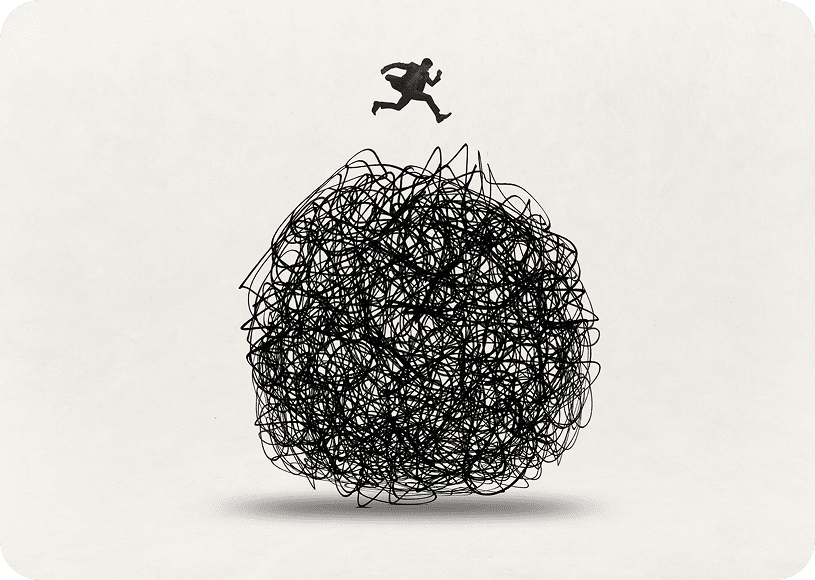
If you find yourself constantly worrying, overthinking, feeling restless, struggling to relax, or avoiding situations that feel overwhelming, anxiety may be playing a role. Anxiety can show up emotionally, mentally, and physically—including racing thoughts, muscle tension, difficulty sleeping, irritability, or feeling "on edge."
Many people wonder whether their anxiety is "bad enough" to seek help. The truth is that therapy isn't only for crises. If anxiety is getting in the way of the life you want to live (i.e. relationship impacts, concerns at work, avoiding activities, exhaustion), therapy can provide valuable support. You don't have to wait until things become unbearable to reach out.
Therapy offers a safe, confidential space to talk openly about what you're experiencing. You and your therapist will explore your concerns, identify patterns that may be contributing to anxiety, and develop strategies to help you cope more effectively. Therapy moves at your pace and is tailored to your individual needs and goals.
The goal of therapy isn't necessarily to eliminate anxiety completely—everyone experiences anxiety at times. Instead, therapy can help you better understand your anxiety, reduce its impact on your life, and build confidence in your ability to manage it. Many people find they feel more in control, resilient, and empowered over time.
It's normal to feel nervous about starting therapy. Many people worry about being judged or not knowing what to say. My role as therapist is to provide a supportive, nonjudgmental environment where you can share as much or as little as feels comfortable.
Yes. While change takes time, many people find that therapy helps them gain insight, develop practical coping skills, improve self-confidence, and experience greater calm and balance in their daily lives. Anxiety may be part of your life, but it does not have to define it.
Considering Therapy for Depression: A Step Toward Support and Hope
Depression can affect every part of life. It can leave you feeling overwhelmed, exhausted, disconnected, or uncertain about the future. Even everyday tasks can feel difficult when you're carrying the weight of intense sadness, hopelessness, or self-doubt.
If you're considering therapy, please know that your experience matters. You do not have to wait until things feel unbearable to seek support. Many people struggle silently, thinking they should be able to manage on their own. The truth is that reaching out for help is a courageous step toward managing it better.
Therapy offers a safe, supportive space to talk openly about what you're experiencing without judgment. Together, we can explore the challenges you're facing, gain a deeper understanding of your emotions, and develop practical tools to navigate difficult moments. Therapy can also help you reconnect with your strengths, values, and the parts of life that bring meaning and purpose.
While depression can make hope feel out of reach, healing and growth ARE possible. Change often happens gradually, one step at a time, and you don't have to take those steps alone. With the right support, many people find relief from depressive symptoms, build resilience, and begin to experience greater connection, fulfillment, and hope for the future.
Seeking therapy is not about having all the answers. It's about giving yourself the opportunity to find support, understanding, and a path forward.

Guidance Through Recovery
Strengthen communication, rebuild trust, and create healthier family dynamics with support designed for the challenges we often carry in silence.